
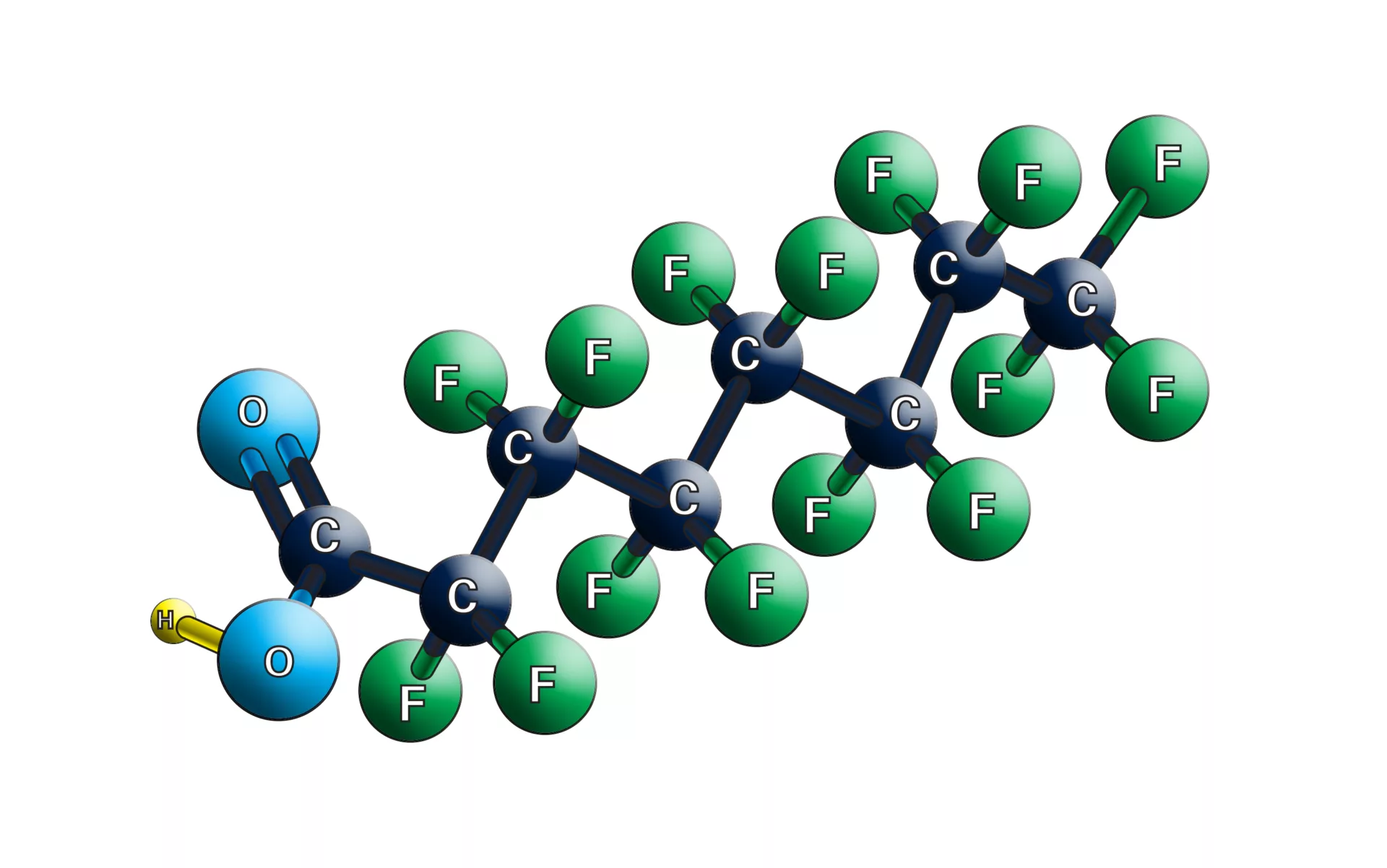
Starting in July 2025, the EPA is requiring new reporting under the Toxic Substances Control Act (TSCA) Section 8(a)(7) related to PFAS (Per- and Polyfluoroalkyl Substances). This is a significant update on PFAS Reporting Requirements that affects manufacturers, importers, and even businesses dealing with products that may contain PFAS—including solid articles like coated materials or components. The reporting scope is broad, covering a generic definition of PFAs and includes use dating back to January 1, 2011. If your business has manufactured or imported PFAS or PFAS-containing products in that time, it’s essential to start preparing now.
Here’s What You Need to Know:
- Determine Applicability
Begin by assessing whether your company has handled PFAS directly or indirectly. This includes reviewing product formulations, purchasing records, and your supply chain. Remember, PFAS were commonly used as coatings, and many items may contain them even if they’re not chemicals with associated SDSs. - Gather Required Data
You’ll need to collect details such as:• Chemical identity
• Production or import volumes
• Uses of the substances
• Environmental and health effects (if known)Engage with your vendors and suppliers now to begin pulling together this information. - Use EPA’s CDX System
All reports must be submitted electronically via the EPA’s Central Data Exchange (CDX) system. - Complete the TSCA Reporting Form
Make use of EPA’s guidance materials to accurately complete the required forms. - Submit Before the Deadline*
• Standard businesses must submit by January 11, 2026
• Small businesses have until July 11, 2026 - (1) Update from the EPA: “This interim final rule delays the start of the submission period by nine months, from July 11, 2025, to April 13, 2026. Submissions will now be due by October 13, 2026, for most manufacturers, and by April 13, 2027, for small manufacturers reporting exclusively as article importers. Additionally, the agency is considering a separate action to reopen other aspects of this rule for public comment. EPA plans to address any comments submitted on this interim final rule and on the future proposed rule concurrently. Comments can be submitted on the interim final rule on www.regulations.gov in docket EPA-HQ-OPPT-2020-0549.”
- (2) 2nd Update from the EPA: the proposed November 2025 rule update includes a proposed reporting schedule to begin 60 days after the final rule is published and will be opened for three months. The update includes: a removal of the small manufacturer extended deadline (there is only one deadline), PFAS containing articles, R&D, and non-isolated intermediates were exempted, and a de minimis exemption of 0.1% was added. There were other changes that clarified definitions and reporting clarification. The updates are currently proposed and not final. More information can be found in the Federal Register.
- Retain Records
Keep copies of all reports and supporting documentation for at least five years after submission.
Key Considerations:
PFAS reporting is not just for your EH&S team. A multidisciplinary approach is crucial—PFAS may appear in unexpected places, including:
• IT components
• Maintenance materials (indoor and outdoor)
• Building construction materials
• Firefighting gear or coatings
Importantly, no laboratory testing is required, but EPA expects businesses to document reasonable efforts to locate information. Even if you can’t find everything, tracking and showing your search process is critical to demonstrating compliance. Please call us if you need help with a game plan and assistance for 2025 PFAS TSCA reporting requirements.
Click below for easy to follow Reporting Requirement Guides:
2025 TSCA PFAS Reporting Requirement Overview final
Guidelines for TSCA PFAS Reporting
Updated November 13, 2025
EPA proposed a rule update on November 10, 2025. This update allows for exemptions that are similar to the existing Chemical Data Reporting (CDR) Rule to reduce regulatory burden. The exemptions include:
- “De minimis” exemption for PFAS in mixtures or products at 0.1% or lower concentrations.
- Imported articles.
- Certain byproducts, impurities, and intermediates.
- Small research and development operations.
Additionally, the EPA is taking comments on whether there should be a production threshold, similar to CDR thresholds, and whether the reporting should be limited to PFAS with known Chemical Abstract Service Number (CASN) or other chemical registry service identification.